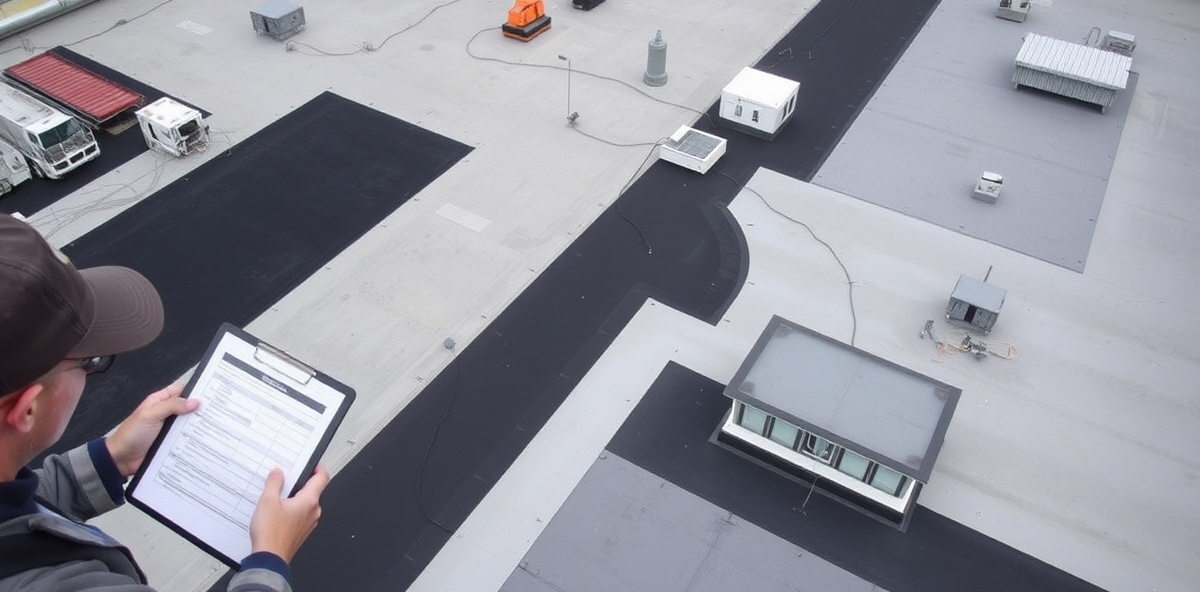
TPO roofing installation

TPO Roofing

Single-ply TPO membranes with heat-welded seams. Energy-efficient white roofing for new construction, re-roofing, and permanent repairs across Texas and beyond.

Request TPO Quote

What is TPO Roofing?

TPO (Thermoplastic Polyolefin) is a single-ply synthetic membrane composed of a blend of polypropylene and ethylene-propylene rubber, reinforced with polyester or fiberglass. It's the industry standard for commercial re-roofing and new construction, offering the best combination of cost, durability, and installation speed.

TPO seams are heat-welded (using hot air or machine fusion), creating bonds that are often stronger than the membrane itself. This seam reliability, combined with white coloring that reflects solar heat, makes TPO the top choice for large-scale projects with long-term value.

Standard Warranty: 20-30 years from manufacturers like Carlisle, GAF, and Firestone, with extended warranties available.

TPO Re-Roofing & Replacement

TPO is ideal for full roof replacements and retrofits. Its flexibility in cold weather and rapid installation make large-scale projects faster and more cost-effective than traditional asphalt systems.

1
Membrane Selection

Evaluate thickness (45-80 mil), color (white/light vs. colored), and reinforcement options (non-reinforced, polyester-reinforced, fiberglass-reinforced)

2
Substrate Prep

Verify deck condition, install proper insulation R-value, ensure drainage, and prepare attachment points for mechanical fastening

3
Mechanized Installation

Roll out membrane, heat-weld (machine or hand torch) seams with overlaps per manufacturer specs, install HVAC/penetration boots

4
Seam Testing

Conduct destructive and non-destructive seam tests per ASTM F1668 to verify weld integrity before final acceptance

5
Closeout

Complete warranty documentation, photo closeout package, and client training on maintenance and inspection protocols

TPO Repair & Emergency Dry-In

TPO repairs are straightforward: identify the leak, clean the area, and apply a heat-welded patch. Emergency dry-in is rapid and effective, protecting your facility while permanent repairs are scheduled.

1
Leak Isolation

Use thermal imaging, moisture mapping, and visual inspection to pinpoint exact leak location—seams, punctures, or flashing details

2
Surface Prep

Clean the repair area with isopropyl alcohol to remove dirt, oil, and debris—essential for adhesive/heat-weld bond

3
Patch Installation

Apply TPO patch (typically 8-12 inch overlap), heat-weld edges, or use TPO-compatible adhesive for permanent repair

4
Seam Testing

Verify patch integrity with pull test and visual inspection—document repair with before/after photos

5
Warranty & Monitoring

Provide 5-10 year repair warranty and schedule follow-up inspection to verify long-term performance

TPO for New Construction

TPO is the preferred membrane for GC-coordinated new construction. Mechanically seamed TPO allows rapid installation without torch or adhesive, reducing fire risk and sequencing conflicts on active job sites.

1
Coordination & Submittals

Submit samples, seam details, and installation method statement to GC/architect for approval before work begins

2
Deck Inspection & Prep

Verify structural deck condition, insulation placement, and drainage with GC before membrane installation

3
Penetration Planning

Coordinate HVAC, electrical, and structural penetrations with mechanical trades—confirm boot locations and sequencing

4
Installation & Daily Reporting

Install membrane per schedule, document daily progress with photos, report any deficiencies to GC, coordinate with following trades

5
Punch List & Warranty

Complete all RFI closeouts, conduct final walkthrough, deliver closeout documentation and extended warranty support

Why Choose TPO?

Energy Efficiency

White TPO reflects up to 86% of solar radiation, reducing cooling costs by 20-30% compared to dark membranes

Cold-Weather Flexibility

Remains flexible below freezing, allowing installation in cooler climates and seasons that would challenge other single-ply systems

Seam Durability

Mechanically welded seams (not glued or taped) provide proven 20-30 year reliability with minimal degradation over time

Medium-Term Value

Lower material cost than EPDM with equal or better seam reliability; faster installation than Modified Bitumen

TPO vs. Other Membranes

TPO vs. EPDM

  • TPO Advantage: Heat-welded seams (no degradation); higher energy efficiency
  • EPDM Advantage: Lower material cost; simpler repairs (tape/patch)
  • Tie: Both offer 25-40 year longevity when properly maintained

TPO vs. Modified Bitumen

  • TPO Advantage: Faster installation; no torch (safer); lower energy cost
  • Mod-Bit Advantage: Better cold-weather adhesion to existing substrates; proven on retrofit overlays
  • Tie: Both offer reliable 20-30 year performance in Texas climate

Maintaining Your TPO Roof

Annual Inspections

Schedule spring and fall inspections to check for seam separation, membrane punctures, flashing deterioration, and debris accumulation. TPO seams are visually inspectable—look for any gaps or separation.

Keeping Seams Intact

Maintain clear roof access. Avoid foot traffic on seams, and protect high-wear areas (near HVAC equipment, pipe chases) with membrane protection. Seals remain strong if kept clean and dry.

Small Repairs

Small TPO repairs are quick and inexpensive. A single 8x8 inch patch costs $100-300 and can extend roof life indefinitely. Don't delay—catching damage early prevents costly water infiltration.

Extended Warranties

Maintain your manufacturer warranty by documenting maintenance and repairs. Carlisle, Firestone, and GAF offer extended warranties (30-50 years) if you follow their maintenance program.

Ready for TPO Roofing?

Share your project details and we'll provide a detailed proposal within 48 hours.