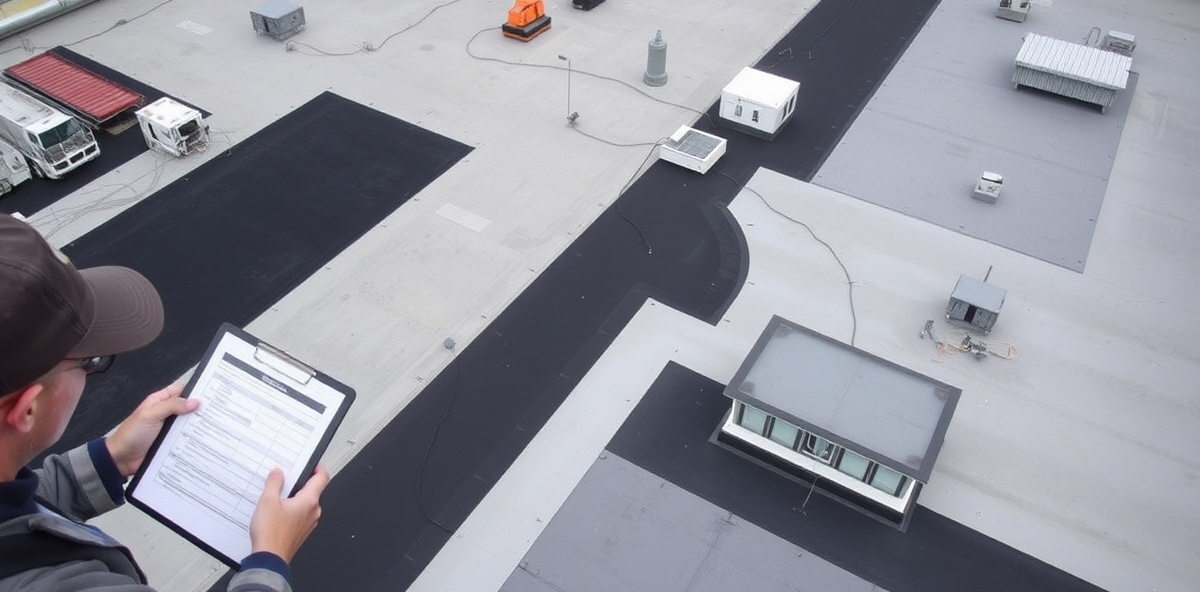
Modified Bitumen roofing installation

Modified Bitumen Roofing

Torch-down and self-adhering bitumen roofing for retrofit overlays, problem roofs, and facilities requiring strong adhesion and proven performance.

Request Mod-Bit Quote

What is Modified Bitumen Roofing?

Modified Bitumen (Mod-Bit) combines traditional asphalt with polymer modifications (SBS or APP polymers) to create a more flexible, durable membrane system. It's installed in overlapping plies, with a durable mineral-granule cap sheet providing UV protection.

Mod-Bit can be installed using torch-down or self-adhering methods. Torch-applied systems create excellent seams in all weather conditions, making them ideal for cold climates and buildings with structural movement. Self-adhering systems offer faster installation without flame.

Standard Warranty: 20-30 years from manufacturers like GAF, Firestone, and Carlisle, with strong track records on retrofit overlays and problem roof applications.

Installation Methods

Torch-Down (Torch-Applied)
  • Process: Heat each ply with a hand torch, then roll into place on substrate
  • Best for: Cold weather, structural movement, existing asphalt systems
  • Advantages: Excellent seam fusion; works in freezing conditions; proven performance
  • Considerations: Requires fire watch; skilled installation critical; higher labor cost
  • Durability: 25-30+ years with proper maintenance
Self-Adhering (Peel-and-Stick)
  • Process: Peel backing and roll directly onto primed substrate
  • Best for: Fast installations; tight schedules; projects avoiding torch work
  • Advantages: No flame; faster labor process; less fire risk
  • Considerations: Temperature-sensitive installation; adhesive may degrade over time
  • Durability: 20-25 years (slightly shorter than torch-applied)

Mod-Bit Re-Roofing & Retrofit Overlays

Modified Bitumen is the ideal choice for roofs that have existing asphalt systems. Its superior adhesion to BUR (Built-Up Roofs) and other bituminous surfaces eliminates costly tear-off and reduces project cost and timeline.

1
Substrate Assessment

Evaluate existing asphalt system condition. Mod-Bit can be installed over existing BUR (Built-Up Roof) or asphalt surfaces, eliminating costly tear-off in many retrofits

2
Surface Preparation

Clean and prime substrate per product specifications. Polymer-modified bitumen requires a tacky base layer for optimal adhesion

3
Torch Application or Self-Adhesive

Install Mod-Bit rolls using torch-down or self-adhering method. Each ply is typically 1.5-2 feet overlapped to the previous ply

4
Final Cap Sheet

Apply protective top ply (cap sheet) with weather-resistant mineral granules. This creates durable surface resistant to UV and foot traffic

5
Final Inspection & Closeout

Document system with photos, deliver warranty, and provide maintenance instructions for torch-applied and self-adhering Mod-Bit systems

Mod-Bit Repair & Maintenance

Mod-Bit repairs are straightforward but may require torch work (for torch-applied systems) or heating/priming (for self-adhering). Regular inspections catch alligatoring and seam separation early, preventing costly water damage.

1
Leak Assessment

Use thermal imaging and moisture meters to locate damage. Mod-Bit leaks are often at seams, flashings, or areas where the membrane has alligatored (cracked)

2
Area Preparation

Remove debris and clean the repair area. For self-adhering Mod-Bit, adhesive may need re-heating or priming depending on system age

3
Patch Installation

Apply Mod-Bit patch (6-12 inch overlap). Torch-applied patches require torch work; self-adhering patches use direct adhesion

4
Seam Sealing

Seal patch edges with roof cement or compatible sealant. Torching edges may be required for torch-applied repairs to ensure watertight seal

5
Cure & Documentation

Allow sealant to cure per product specs (typically 24-48 hours). Document repair and schedule follow-up inspection

Mod-Bit for New Construction

Modified Bitumen is commonly used in new construction, particularly when project budgets are moderate and durability is a priority. Torch-applied systems integrate well with mechanical trades and offer proven performance in all climates.

1
System Selection & Approval

Coordinate with GC and architect to select torch-down or self-adhering method. Document fire-resistance ratings and safety plans

2
Deck Verification

Confirm structural deck condition, slope for drainage, and proper insulation placement with GC and engineer

3
Safety Planning

For torch applications, coordinate fire watch, fuel staging, and fall protection with GC. Torch work requires additional safety protocols

4
Installation & Coordination

Install base ply and cap sheet per specifications. Coordinate with following trades; document daily progress and any deficiencies to GC

5
Punchlist & Warranty

Complete final walkthrough, address any deficiencies, deliver warranty documentation and maintenance guidelines to building owner

Why Choose Modified Bitumen?

Retrofit Friendly

Adhesion to existing asphalt surfaces eliminates costly tear-off. Overlay applications save time and reduce waste

Torch Installation Option

Torch-applied Mod-Bit creates excellent seams and can be applied in cold weather. Flexibility accommodates building movement

Durable Cap Sheet

Mineral-granule cap sheet provides UV protection and foot-traffic resistance. Long-lasting when properly maintained

Proven on Problem Roofs

Mod-Bit handles substrate challenges well—existing asphalt, ponding areas, and structural movement don't compromise performance

Mod-Bit vs. Other Membranes

Mod-Bit vs. TPO

  • Mod-Bit Advantage: Better adhesion to asphalt; proven on retrofits; torch option
  • TPO Advantage: Higher reflectivity; faster installation; no torch required
  • Tie: Both offer 20-30 year performance; different strengths for different projects

Mod-Bit vs. EPDM

  • Mod-Bit Advantage: Stronger adhesion to existing substrates; durable cap sheet
  • EPDM Advantage: Simpler repairs; lower cost; proven longevity
  • Tie: Both work well in Texas climate; choice depends on existing roof condition

Maintaining Modified Bitumen

Watch for Alligatoring

As Mod-Bit ages, the cap sheet can develop a cracked, alligator-like pattern from UV exposure and thermal stress. This is cosmetic initially but indicates the membrane is nearing end-of-life. Regular inspections catch this before water penetration occurs.

Seam Monitoring

Inspect seams annually for separation, particularly at high-traffic areas and thermal-stress points. Torch-applied seams are visually obvious; address separation immediately with a torch-applied patch to prevent leaks.

Debris Management

Keep the roof clean of debris. Leaves, sticks, and other materials trap moisture and accelerate deterioration. Roof sweeping or blowing is inexpensive preventive maintenance.

Extended Life with Maintenance

With regular inspections and preventive maintenance, Modified Bitumen systems often exceed their stated 20-30 year warranty. A $500 annual inspection program can prevent $10,000+ emergency replacements.

Ready for Modified Bitumen?

Tell us about your roofing project and we'll recommend the right Mod-Bit system and installation method.